
Last updated November 21, 2026
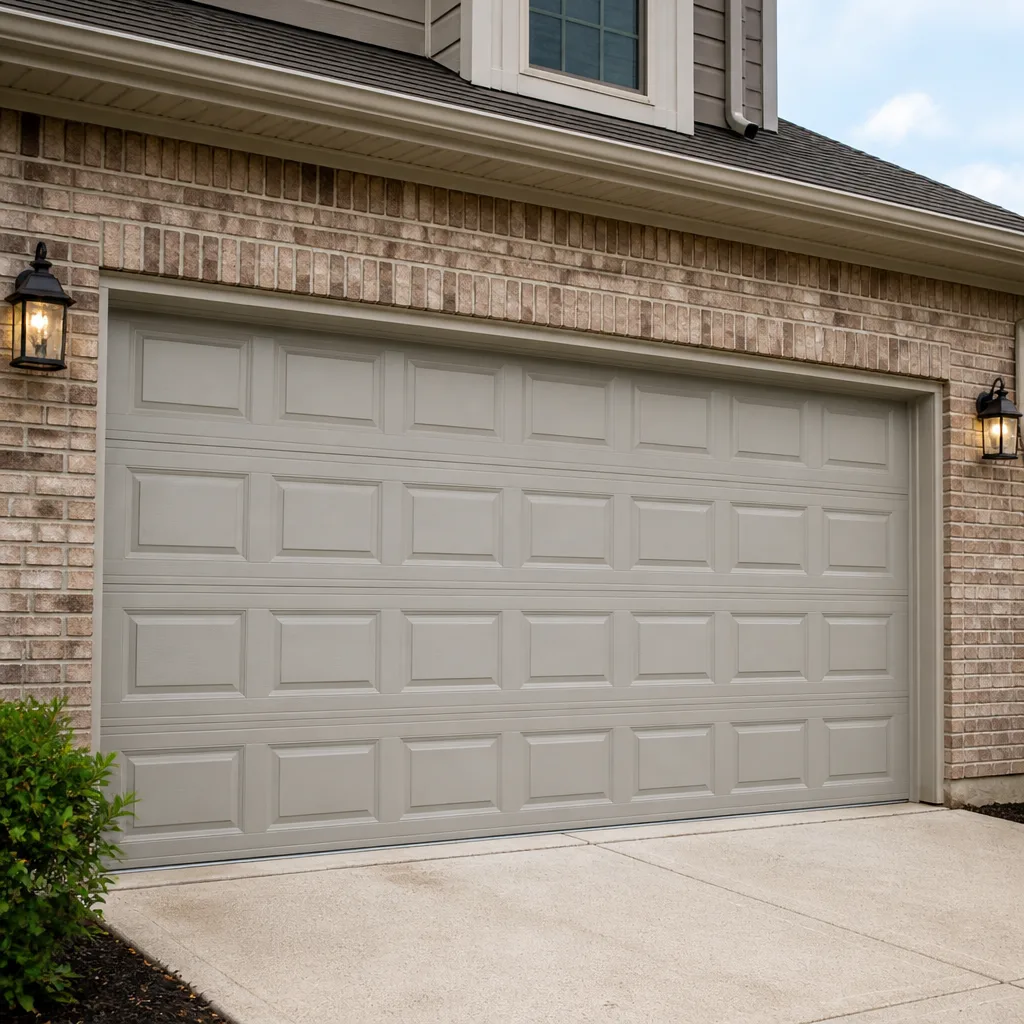 Raised-panel steel
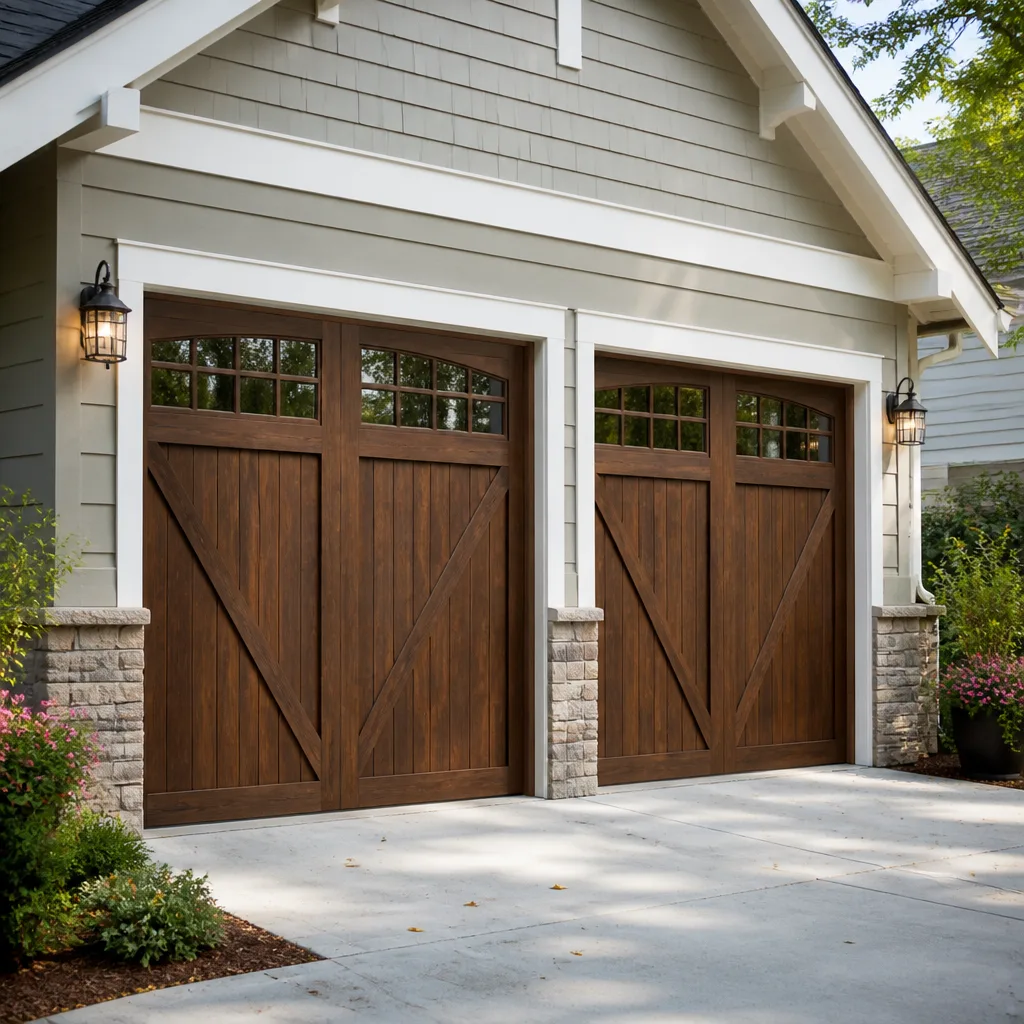 Carriage house
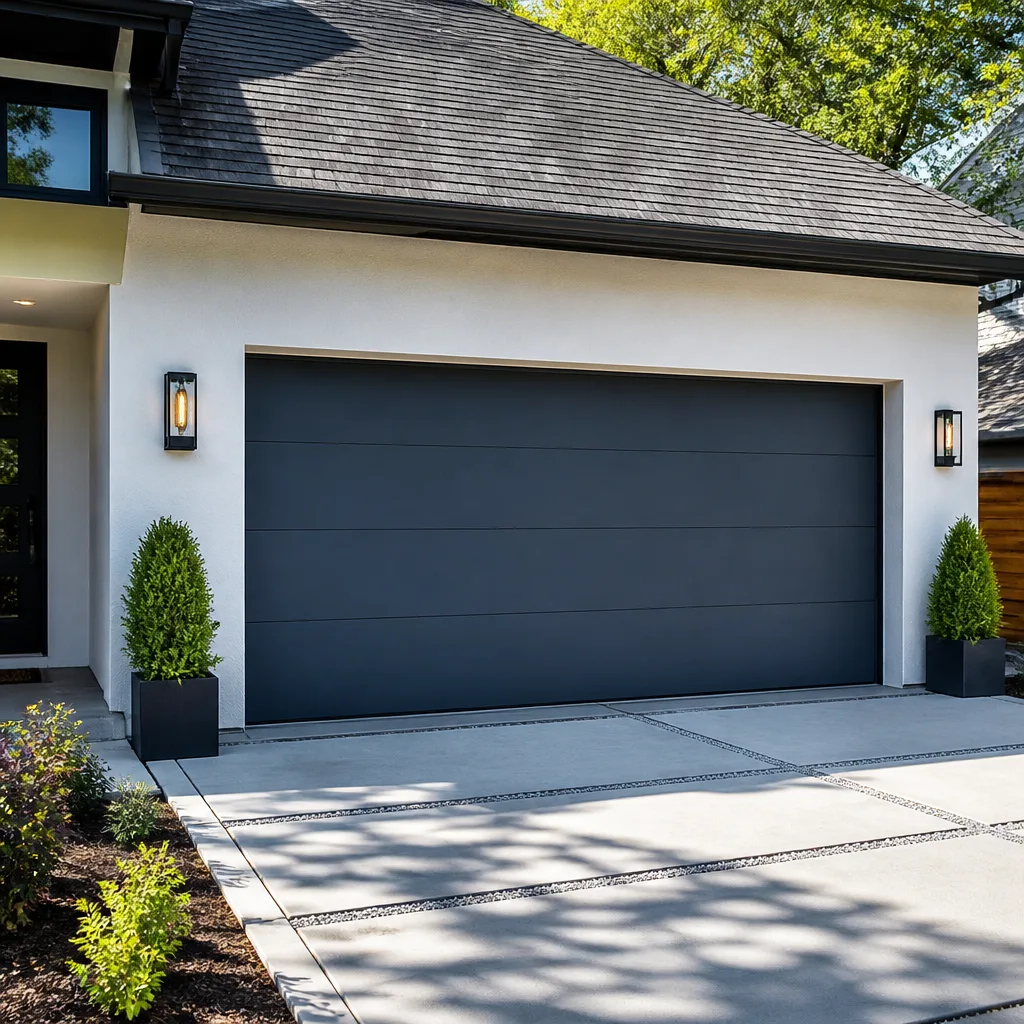 Modern flush
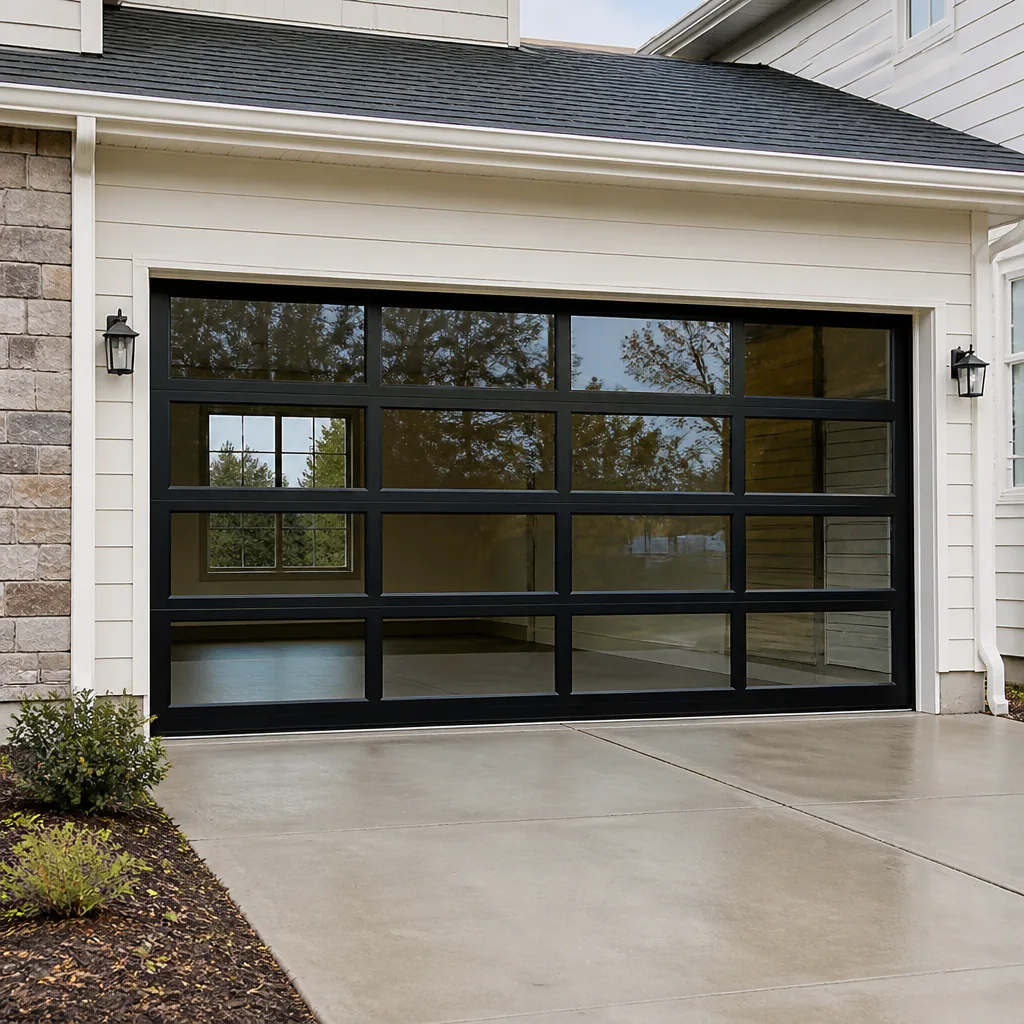 Full-view glass
 LiftMaster openers
 Chamberlain openers
Full 25-point door and opener safety check with every visit - springs, cables, rollers, tracks, and your LiftMaster or Chamberlain opener included
You get a price before we start. It does not change when the pro arrives.
Get your free estimateGarage Door Repair Maintenance Checklist for Far Rockaway Homeowners
Most Far Rockaway homeowners think about their garage door exactly twice: the day it’s installed and the day it stops working. The gap between those two days is where every expensive repair is born. A torsion spring doesn’t snap out of nowhere. It gives you signals for weeks, and those signals are visible to anyone who knows what to look for. What makes maintenance here different from maintenance anywhere else is that Far Rockaway sits exposed to the Atlantic, and nor’easters and hurricane remnants push wind-driven rain and humidity into every hinge and bracket on a regular basis. This guide gives you a tiered checklist built around that reality: what you can safely check yourself, what you should never touch, and how to spot a failure coming so it never turns into a Sunday emergency.
Quick Answer
A garage door maintenance checklist in Far Rockaway should run on three tiers: a monthly 10-minute owner inspection (visual only, no tools on moving parts), an annual professional tune-up covering springs, cables, rollers and balance, and an immediate post-storm check after any nor’easter or hurricane that brings driven rain through the neighborhood. The single most important rule is that torsion springs and the cables under tension are never a DIY item, no matter how straightforward a video makes it look. Everything else on this list is about catching wear early so repairs stay small.
Styles & brands we work with
- Raised-panel steel
- Carriage house
- Modern flush
- Full-view glass
- LiftMaster openers
- Chamberlain openers
Table of Contents
- The Three-Tier Maintenance System
- Tier 1: Your Monthly Owner Checklist
- Coastal Corrosion Checkpoints Unique to Far Rockaway
- Lubrication: What to Use and What Never to Use
- The Three Wear Indicators That Predict Failure 30 to 60 Days Out
- Post-Storm Checklist After a Nor’easter or Hurricane
- Tier 2: The Annual Professional Visit
- Common Mistakes to Avoid
- When to Call a Professional
The Three-Tier Maintenance System
A checklist is only useful if it tells you what not to do as clearly as what to do. That’s the whole design behind this one. Garage doors fail in two ways: gradually, through wear you could have caught, and suddenly, through a component reaching its limit. Your job is the gradual half. Ours is the sudden half. Mixing the two up is how people get hurt.
Here’s how the tiers break down.
- Tier 1 – Monthly, owner, visual only. You’re not adjusting anything. You’re listening, looking and feeling. Open and close the door a few times, watch it, listen for grinding or popping, and look at the hardware for rust or looseness. Ten minutes, no tools, no risk.
- Tier 2 – Annual, professional. A trained technician checks spring tension and cycle count, inspects cable wear at the drums, tests the door’s balance by hand, checks the opener’s force settings and safety sensors, and adjusts or replaces anything nearing its limit. This is the visit that keeps the door quiet for another year.
- Tier 3 – Post-storm, immediate. After a nor’easter or any named storm that pushes wind-driven rain through Far Rockaway, you do a quick visual pass before you operate the door. Water intrusion, debris, and shifted tracks are the three things to look for. Details are in the storm section below.
Every homeowner on the peninsula and the bay side of Far Rockaway can run this system without any special knowledge. The tiers just tell you which hat you’re wearing on any given day.
Tier 1: Your Monthly Owner Checklist
This is the core of the whole guide. Ten minutes, once a month, and you’ll catch most of what leads to expensive repairs. Do it in daylight with the opener disconnected if you feel comfortable doing that (there’s a pull cord or handle for it, and reconnecting is the same motion in reverse).
- Listen to the door. Open and close it fully. A healthy door is quiet. Grinding suggests roller or track problems. Popping or a sharp bang suggests spring or cable issues. Squeaking is usually a lubrication gap you can close.
- Watch the door travel. It should rise and fall smoothly, staying level. If one side lags, the door is binding, and binding puts stress on the opener and springs.
- Look at the springs. There are two types: torsion (a horizontal shaft above the door with coiled springs) and extension (springs running along the horizontal tracks). Look only, never touch. On a torsion spring, a visible gap in the coil is a break. On extension springs, look for a stretched or separated coil. If you see either, stop using the door and call us.
- Inspect the cables. The cables run from the bottom corners up to the drums. Look for fraying, kinks or slack. A slack cable means it’s no longer carrying load, which usually means it’s already failed or about to.
- Check the rollers and hinges. Worn rollers look flat-spotted or out of round. Hinges that wiggle when you nudge them just need tightening. Rust-colored dust around a hinge pin is early corrosion.
- Test the safety reverse. Place a roll of paper towels or a 2×4 flat under the door and close it. It should reverse on contact. If it doesn’t, the opener needs adjustment, and that’s a safety issue worth fixing promptly.
- Test the photo-eye sensors. With the door open, wave an object in front of the sensors at the bottom of each track. The door should not close when the beam is broken. If it closes anyway, the opener needs service.
- Look at the weather seal. The bottom rubber should be flexible and contacting the floor evenly. A hardened or torn seal lets water and wind-driven rain in, and in Far Rockaway that matters more than most places.
That’s it. No wrenches, no adjustments. If something on this list looks off, note it and call. When we diagnose a door, that note saves us time and saves you money on the visit.
Coastal Corrosion Checkpoints Unique to Far Rockaway
Far Rockaway’s exposure to the Atlantic means the air here carries more moisture and salt than air a few miles inland. That moisture doesn’t rot a door overnight, but it does change how fast fasteners, springs and cables wear. If you own a home anywhere from Bayswater to Arverne, or down toward the Rockaway Park side, the hardware on your door is working harder than the same hardware on a door in central Queens. Here’s where to look.
Hinge pins
The pins inside the hinges are the first place corrosion shows up because they’re the tightest metal-on-metal contact in the door. Look for rust-colored staining at the hinge plates and a gritty feel when you open the door. A hinge that’s starting to bind wears out the roller and, over time, strains the panel it’s attached to.
Bottom bracket bolts
The bottom brackets at each corner of the door carry the cable attachment. On a coastal door, the bolt threads corrode and seize. When a technician later needs to adjust that bracket, a rusted bolt can snap or round off, which turns a simple adjustment into a panel repair. This is exactly the sort of thing an annual professional visit catches early.
Torsion spring shaft ends
The shaft that the torsion springs coil around has bearings at each end. On a coastal door, those bearings collect moisture and start to squeal or grind. If your door makes noise at the very top of its travel, near the header, that’s often the shaft bearing talking. It’s a small part with an outsized effect on how smoothly the door runs.
Track and panel screws
Every screw head on the door is a spot where moisture runs in and the metal beneath the coating begins to lose its grip on the paint. Check for bubbles in the paint around screw heads and for screw heads themselves that are turning brown. On Clopay and Amarr steel doors in particular, a small paint touch-up on those spots in spring saves you from a bigger cosmetic repair later.
Bottom weather seal
The rubber seal at the bottom of the door is the most exposed part of the whole unit to splashing water and salt-laden air, and it’s the first to perish. Check it every spring and fall. If it’s stiff, cracked or no longer touching the floor evenly, it needs replacing, and it’s one of the cheapest proactive fixes available.
If you live close enough to the beach that you can smell the water, run this corrosion pass every six months instead of once a year. It’s a small habit with a big payoff.
Lubrication: What to Use and What Never to Use
This is the single most misunderstood part of garage door maintenance, so let’s clear it up. Standard WD-40 is a solvent and water displacer, not a lubricant. It’s great for freeing a rusted bolt. It’s the wrong call for a garage door. Spray it on your rollers and hinges and it will strip what little grease remains and dry out the bushings. The door runs smoother for a day, then gets louder than it was before.
What to use instead depends on the part.
- Hinges, rollers, and the metal pivot points: a lithium-based or silicone-based grease designed for garage door hardware. A small amount goes a long way; excess just attracts dust and grit.
- Track surfaces: nothing. Tracks don’t need lubricant. If your door is noisy, the noise is coming from the rollers, not the track. Lubricated tracks collect grit and cause binding.
- Bottom weather seal: a silicone spray or a wipe-down with a silicone-treated cloth keeps the rubber from drying out in the summer and freezing stiff in the winter. It’s not grease; it’s conditioning.
- Torsion spring: never spray anything on a torsion spring. Springs are under extreme tension and are not a lubrication target. Anything you add to a spring surface does nothing useful and can hide a crack.
- Opener chain or screw drive: a low-viscosity grease appropriate to the opener model. If you’re not sure which, look up the opener brand’s manual. On a LiftMaster or Chamberlain installation this is usually spelled out clearly.
How often, in a humid climate
In a dry climate, homeowners can get away with lubricating the hinges and rollers twice a year. In Far Rockaway, humidity is a year-round presence, so twice a year is the bare minimum and three or four times a year is better, especially if you’re within a few blocks of the water. Spring and fall are the two mandatory dates on the calendar. A summer touch-up after a humid stretch and a winter pass before the first freeze won’t hurt.
When you lubricate, use a rag to wipe off old grease first. Layering new grease over old just traps grit. A few drops of good product on each hinge and each roller stem is all you need.
The Three Wear Indicators That Predict Failure 30 to 60 Days Out
We’ve been called to hundreds of doors that failed with no warning the homeowner noticed. Almost none of them actually failed without warning. They just failed without a warning the owner recognized. If you watch for these three things, you’ll know a component is on its way out with roughly a month or two to spare, which is exactly enough time to schedule a repair before it becomes an emergency.
- A torsion spring that’s lost its “spring” in the last 12 inches of lift. When you lift the door by hand (with the opener disconnected), it should feel light and even. If the door gets heavy near the top, or if it feels heavier than it did last year, the spring is weakening. On a Clopay or Amarr door, weakening springs also make the door feel heavier to the opener, which wears the opener’s gears prematurely. Replace the spring before it breaks and you avoid both problems.
- Cables showing a “barbed” texture near the drum. A healthy cable is smooth and even. A cable that’s starting to fail has small broken strands near the drum end, and it feels slightly scratchy or barbed if you run a gloved finger along it. That’s a cable at the last stage before a snap. Never touch a cable under tension – look only, because a loaded cable can inflict a serious cut.
- A gap that’s opening up at the spring coil. On a torsion spring, look at the coils from the side. When the spring is on its way out it develops a visible gap between two coils that isn’t there when it’s new. That gap is the spring beginning to unwind permanently. It means a break is coming within weeks.
Each of these is a stop-and-call signal. If you spot one, stop operating the door, and call us. We can often install a replacement spring or cable well before the failure date, and scheduled repair is always simpler than emergency repair.
Post-Storm Checklist After a Nor’easter or Hurricane
Far Rockaway sits in a spot where storm systems coming up the coast hit with real force. Nor’easters and hurricane remnants are part of life here, and they don’t just affect the roof and the gutters – they affect the garage door. Wind-driven rain pushes water into the tracks and the panel seams. Debris from trees and nearby structures finds its way against the door. And the wind itself can put loads on the door that nothing in the mechanism was designed for.
Before you operate the door after any significant storm, walk the checklist.
- Look at the door from outside. Check for dents, panel separation, or anything wedged against the door that got blown in. Operate nothing until you’re sure the door is clear.
- Inspect the tracks. Look for debris – leaves, twigs, silt from runoff – sitting in the vertical tracks. Don’t force the door if the tracks have debris in them. Clear it by hand, then test.
- Check for water intrusion. Puddles inside the garage under the door mean the bottom seal or the threshold is compromised. Check the seal and the threshold plate.
- Look at the springs and cables again. The added load of the storm’s wind can push a marginal spring or cable over the edge. If anything looks different from your last check, call us before you operate the door.
- Test the opener. Genie and Chamberlain openers both have safety reverse circuits that can be affected by moisture in the housing or the sensors. Test the reverse and the photo-eyes after any storm that pushed water sideways into the garage.
- Check the tuning of the door. After the storm passes, run the door once and listen. If the door suddenly runs louder, or in any way differently than before the storm, that’s a call-us signal.
Post-storm checks are the single highest-value piece of maintenance in Far Rockaway, because the storm is what changes the baseline. A door that’s been fine for six months can suddenly need adjustment after one bad night.
Tier 2: The Annual Professional Visit
Once a year, a trained technician needs eyes and tools on the door. Some of what we do on that visit is invisible to a homeowner because it involves checking tension on parts you should never touch. Here’s what an annual tune-up should include, so you know what you’re getting when you call.
- Spring tension and cycle assessment. We measure how much of the spring’s original lift is left and check for the wear signs that predict a break.
- Cable inspection at the drums. We look at the drum winding and the first foot of cable, which is where almost all cable failures start.
- Balance test. With the opener disconnected, we lift the door halfway and let go. A balanced door stays where you put it. A door that falls or rises on its own is out of balance and needs adjustment.
- Roller and hinge check. Worn rollers get replaced. Seized hinges get freed or replaced.
- Track alignment. Tracks get knocked out of plumb by impacts (cars, bikes, kids) more often than people realize. We realign them so the door runs without binding.
- Opener force and travel adjustment. The opener’s force setting has to match the door’s actual weight. Too much force strains the door; too little causes false reversals. We check and adjust.
- Safety reverse and photo-eye test. Both get tested and verified. This is a code-required safety function on every automatic opener in the U.S., and every state’s requirements expect it to work.
- Weather seal and threshold. We check the bottom seal, the side seals, and the threshold for wear, since in Far Rockaway these parts are the front line against storm-driven rain.
The annual visit also covers your opener’s electronics. Whether yours is a LiftMaster, Chamberlain, Genie or Craftsman unit, the mechanical door system and the electronic opener are one unit and get checked together. That’s part of why we handle garage door opener repair as a natural extension of the tune-up rather than a separate call.
Common Mistakes to Avoid
We’ve seen the same handful of mistakes cost Far Rockaway homeowners far more than the maintenance would have. Here they are, in order of how often they come up.
- Spraying WD-40 on the hinges and rollers. It feels like the right thing because it’s what’s in the garage. It dries out the existing grease and strips the bushings and turns a smooth door into a noisy one within a week. Use a proper lithium or silicone garage door lubricant.
- Attempting a DIY torsion spring replacement. The torsion spring is under hundreds of pounds of tension even when the door is down. It is genuinely one of the most dangerous parts of any home system. A slip with the wrong tool is not a “try again” scenario. This is a stop-right-here item.
- Ignoring a small track dent. A dent in the track that makes the door bump once per cycle doesn’t feel like a big deal. Within months it wears the rollers unevenly and strains the opener. Small impacts compound.
- Not testing the safety reverse for months. The reverse circuit fails quietly. You don’t find out it’s dead until it fails to reverse on a child or a pet. Test it monthly.
- Lubricating the track itself. People think a squeaky door means a track that needs grease. A greased track collects grit and grinds. Leave the track dry.
- Skipping the post-storm check. In Far Rockaway, this is the single biggest missed habit. A tune-up six months ago doesn’t help you if a nor’easter pushed water into the track last night and you didn’t look.
- Calling a general handyman for a spring or cable job. These are specialty repairs. A generalist without the right tools and training is exactly the wrong person to have near a loaded torsion spring.
When to Call a Professional
Call a professional when you see any of these: a visible gap in the spring coil, a broken spring, a cable that’s slack or shows broken strands, a door that lifts or falls on its own when released halfway, a door that binds or jams, an opener that reverses on its own without obstruction, a photo-eye that won’t respond, or a door that won’t close completely and leave the garage secure. Also call if your monthly check turns up any noise that wasn’t there last month. Far Rockaway Garage Door Repair offers free estimates in Far Rockaway – call (877) 492-1997. We work on springs as a dedicated service, we handle garage door repair across all the major brands, and we answer 24/7.
For a door that’s just not going up or down at all, that’s an emergency and we treat it like one. Fast dispatch, 7am-7pm, Sunday through Friday, gets a technician to you quickly. See our Far Rockaway Garage Door Repair home page for the full service lineup if you want the bigger picture.
See the difference
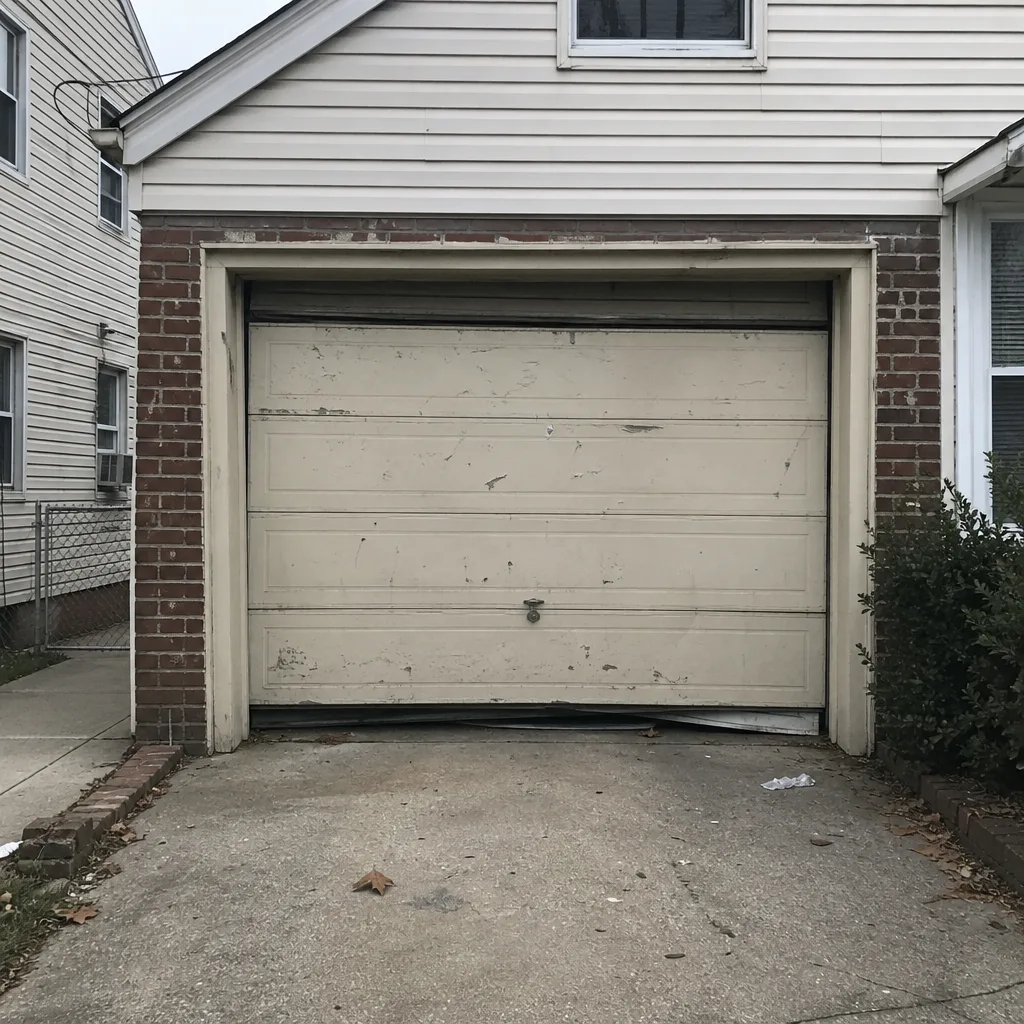 Before
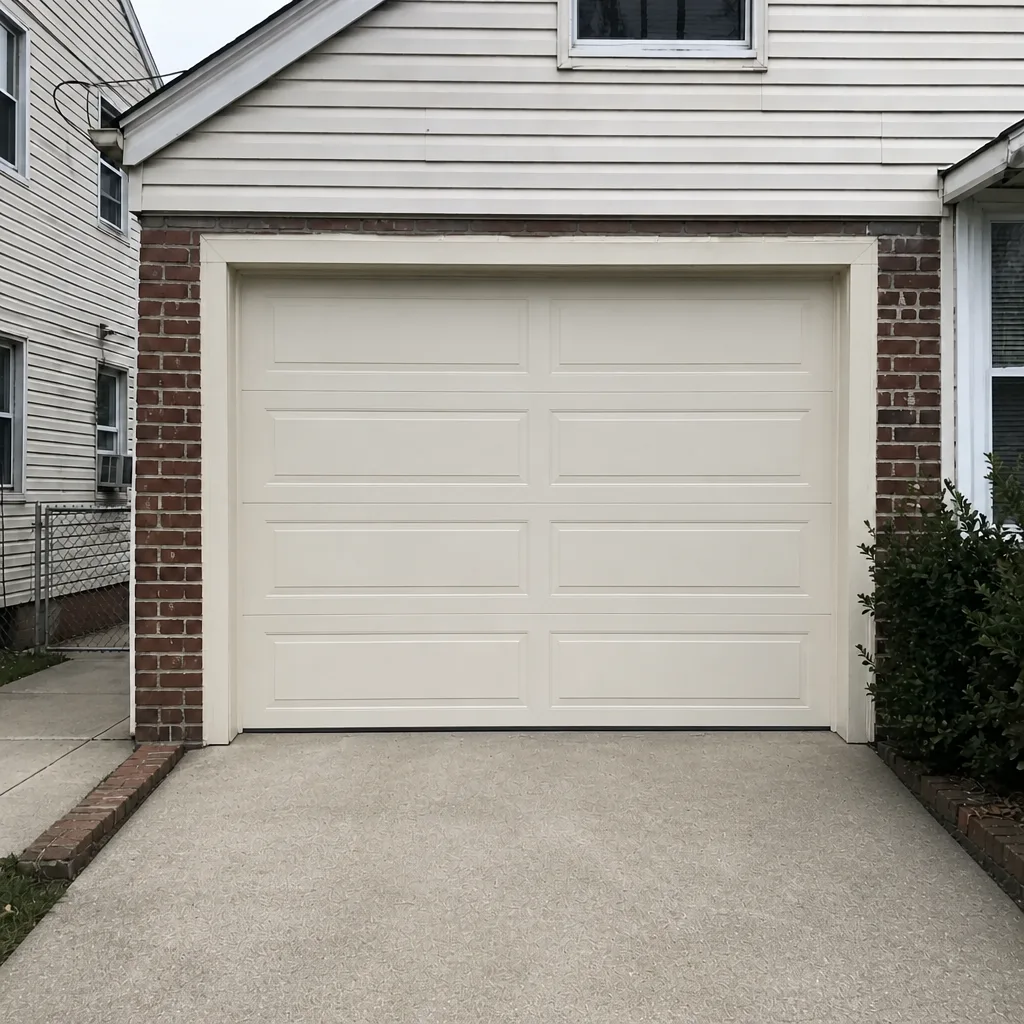 After
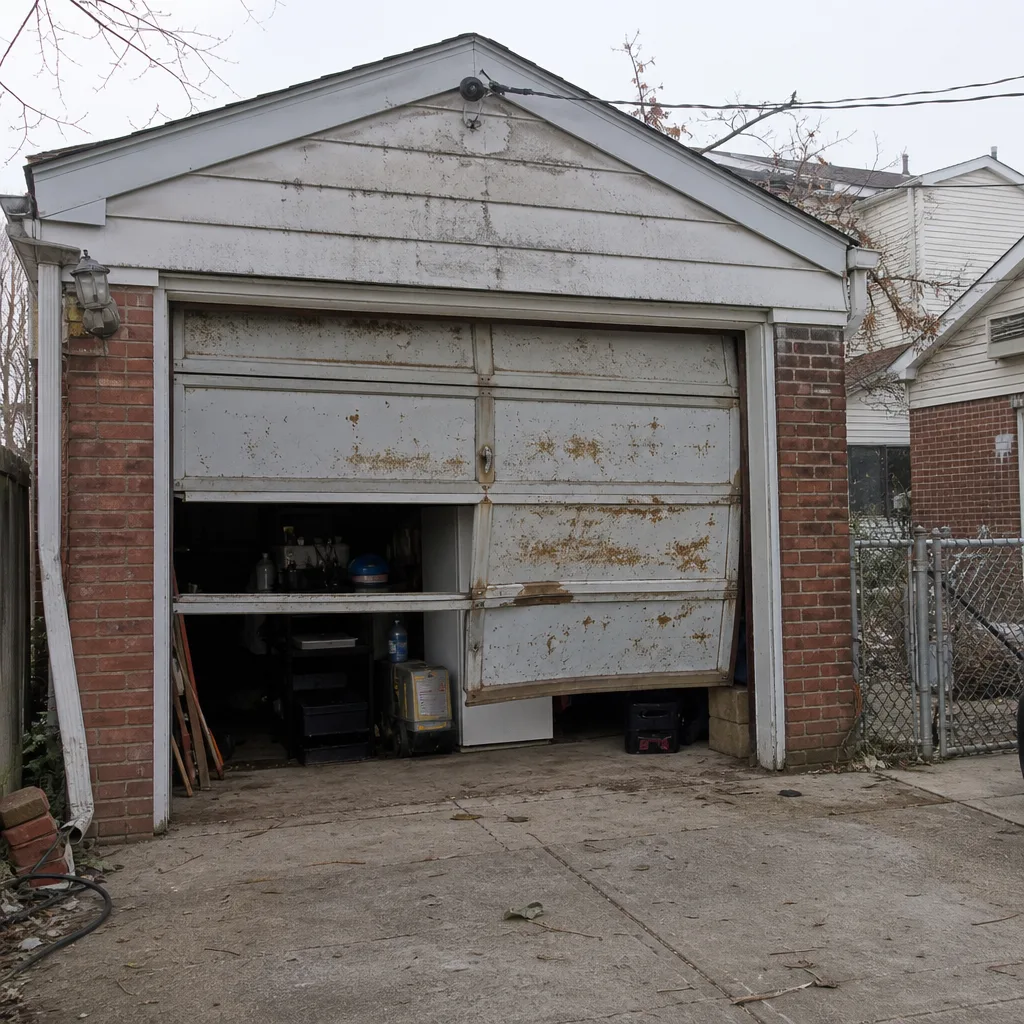 Before
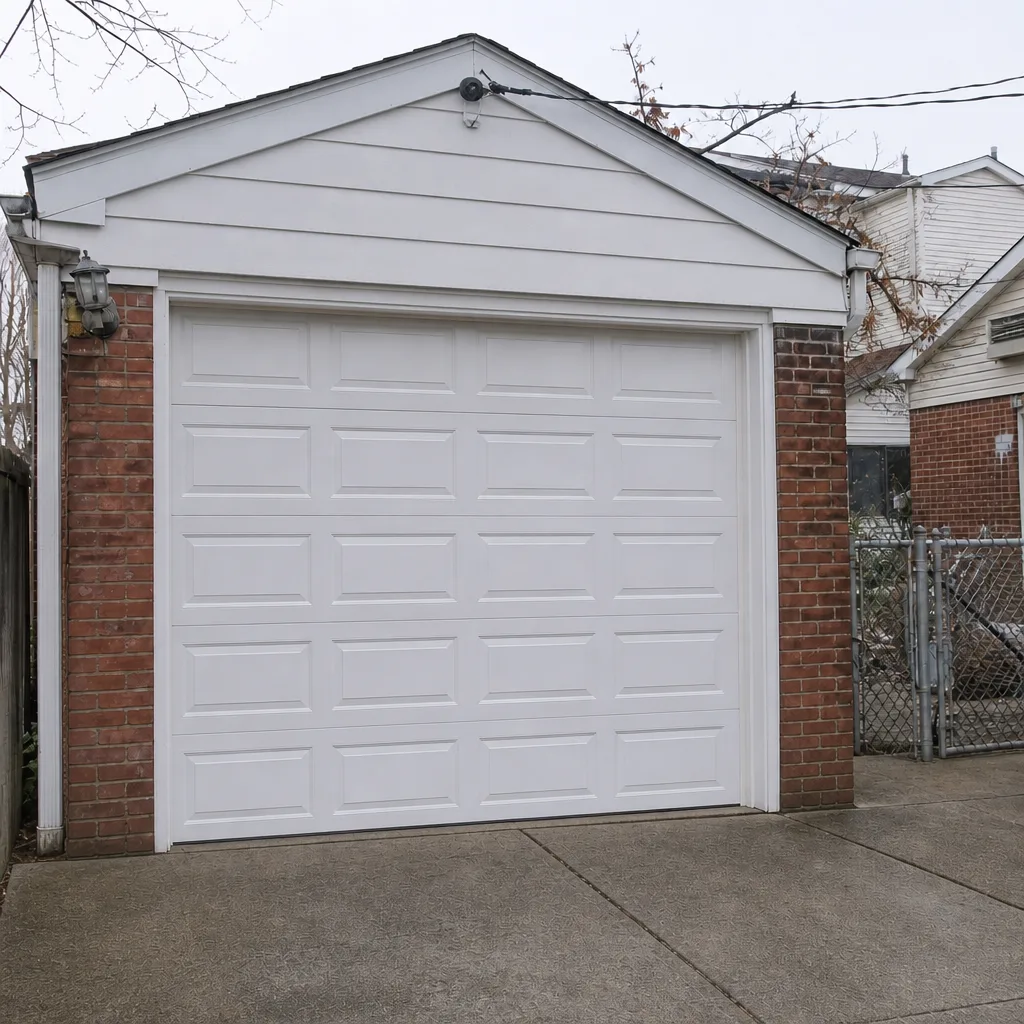 After
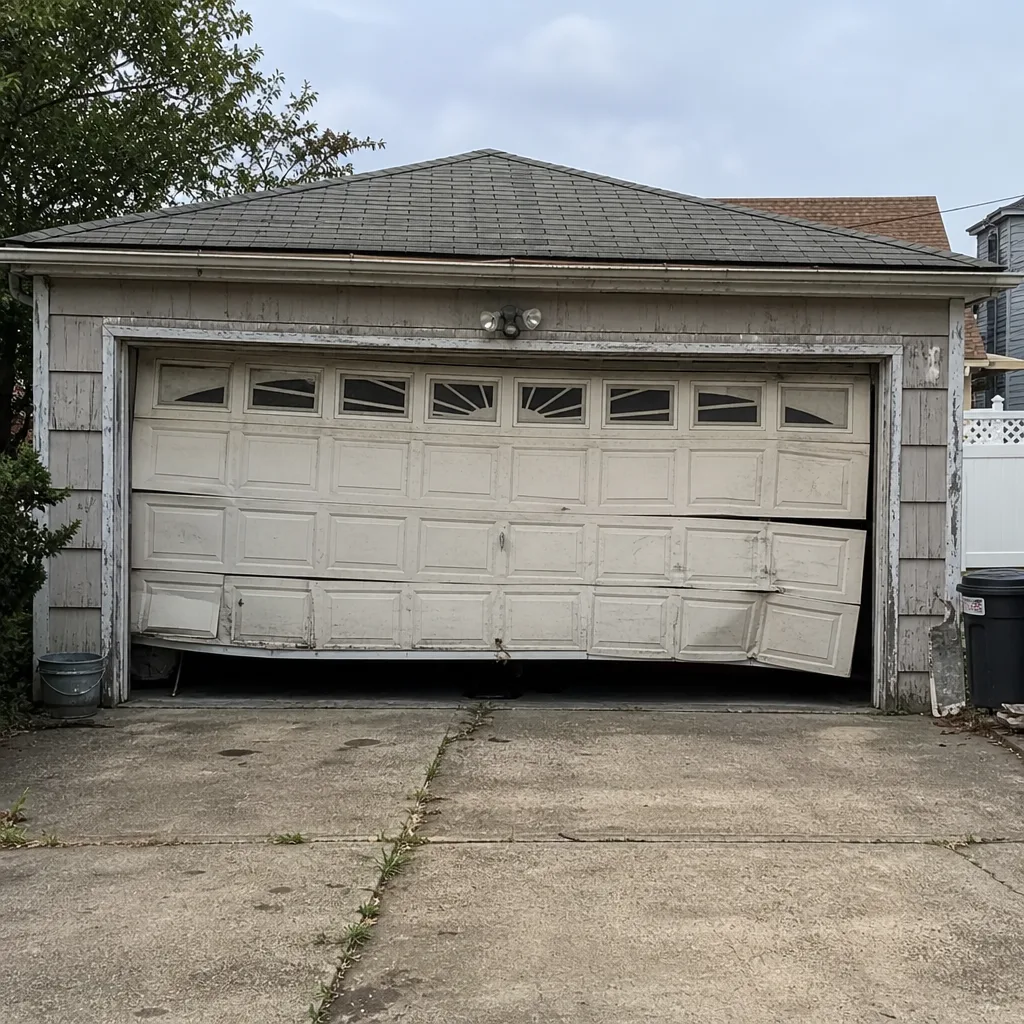 Before
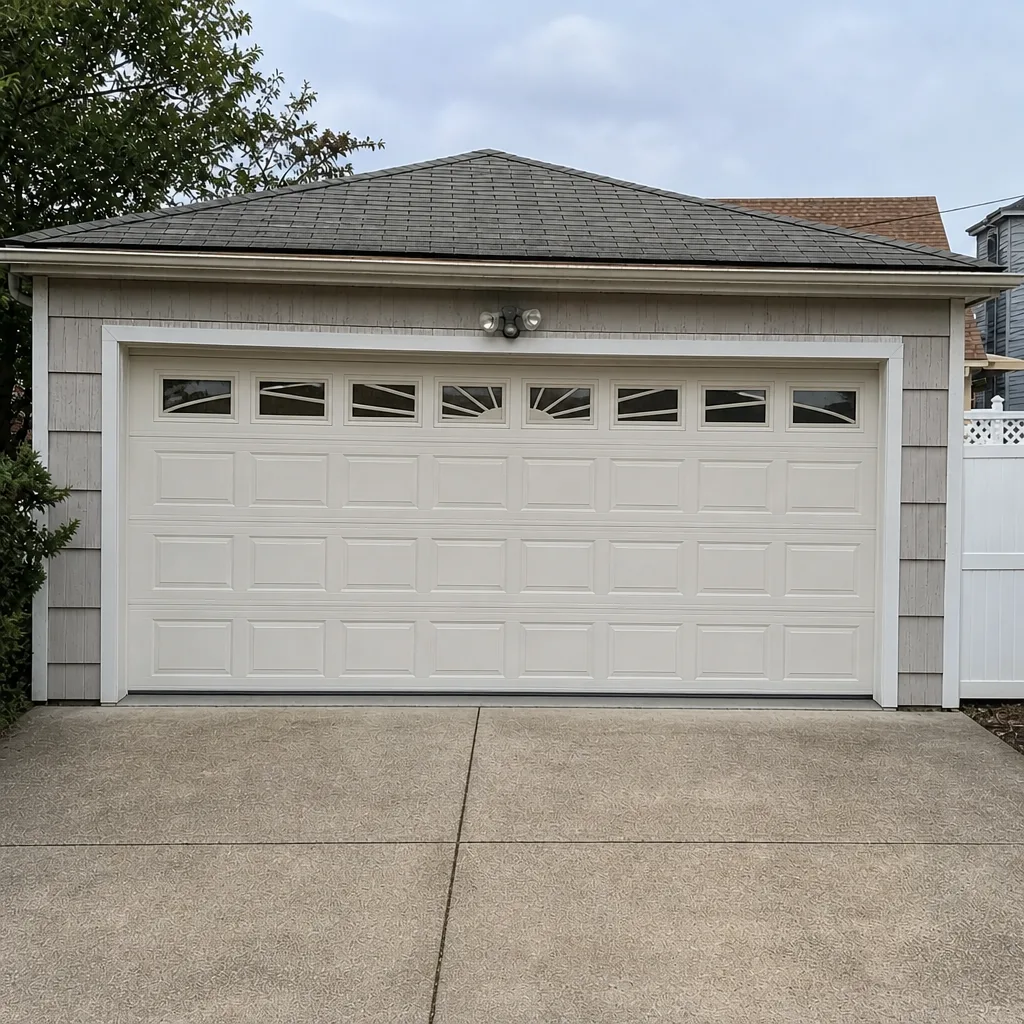 After
Frequently Asked Questions
Once a month for the ten-minute visual pass, once a year for a professional tune-up, and once immediately after any nor’easter or hurricane that brings wind-driven rain through Far Rockaway. If you live within a few blocks of the water, run the corrosion checkpoints every six months instead of once a year. The monthly check costs you nothing and prevents most emergency calls.
No. A garage door torsion spring is under hundreds of pounds of tension even when the door is closed, and a mistake can cause serious injury. This is one of the few home repairs where we tell every homeowner the same thing: do not try this yourself, no matter how clear the video looks. Certified technicians have the right tools and training specifically for this, and it’s a job we handle as a dedicated service. Call (877) 492-1997 for a free estimate.
A lithium-based or silicone-based grease made for garage door hardware, applied sparingly to the hinges and rollers, not the track. Standard WD-40 is the wrong choice because it strips existing grease and dries out bushings. In Far Rockaway’s humidity, lubricate three or four times a year rather than the standard twice. Wipe off old grease before applying new; otherwise you just trap grit.
Three signs: a visible gap appearing between two coils of the torsion spring, a door that feels heavier near the top when you lift it by hand, and a “barbed” or scratchy feel on the cable near the drum. Any of these means failure is likely within 30 to 60 days. Stop using the door and call us for a free estimate before it snaps. We can often replace the spring on a scheduled visit instead of an emergency one.
Stop operating it and do a post-storm check first. Look for debris in the tracks, water under the bottom seal, and anything that’s shifted the door out of line. If the tracks look clear and the door still won’t close, the opener’s force setting or the safety sensor may have been affected by moisture, and that needs a technician. Call (877) 492-1997 and we’ll dispatch a technician fast. Estimates are free.
Yes, because “seems fine” is exactly what almost every door looks like 30 days before it fails. The annual tune-up catches weakening springs, early cable wear, and safety reverse issues that you can’t feel or hear from the outside. It also catches the corrosion points we look at on every Far Rockaway door – hinge pins, bottom bracket bolts and the spring shaft bearings – long before they turn a simple adjustment into a panel repair. Call (877) 492-1997 to book one.
The Bottom Line
Maintenance on a garage door isn’t really about keeping it quiet. It’s about knowing which parts you can safely touch and which parts will hurt you if you do. Your side of the checklist is the monthly visual pass, the lubrication, and the post-storm look-after. Our side is the annual tune-up, the spring and cable work, and any repair you can’t safely do yourself. Do your part and most problems will reach a technician as a scheduled visit, not an emergency. When you’re planning an upgrade rather than a repair, our garage door installation team covers Clopay, Amarr and the rest of the major brands. Ten minutes a month buys you years of quiet.
Contact
Far Rockaway Garage Door Repair offers free estimates across Far Rockaway for repair, spring replacement, opener work and installation. Call (877) 492-1997. We answer 24/7. Fast dispatch from 7am to 7pm, Sunday through Friday. Every job is quoted in writing before any work starts, so you know the price before we touch the door. Our technicians have up to 11 years of experience working on LiftMaster, Chamberlain, Genie, Clopay, Amarr, Wayne Dalton, Craftsman and Raynor systems.
Written by the team at Far Rockaway Garage Door Repair.